
Resilient rural communities are stewards of rangelands that provide essential goods and services.
The Quiet Power of Rangelands
Resilient rural communities are stewards of rangelands that provide essential goods and services.
06/18/2026
Written by and Shared with permission from The Society for Range Management
As the world recognizes the International Year of Rangelands and Pastoralists in 2026 and marks May’s focus on biodiversity and ecosystem services, there’s no better time to appreciate one of the planet’s most overlooked landscapes.
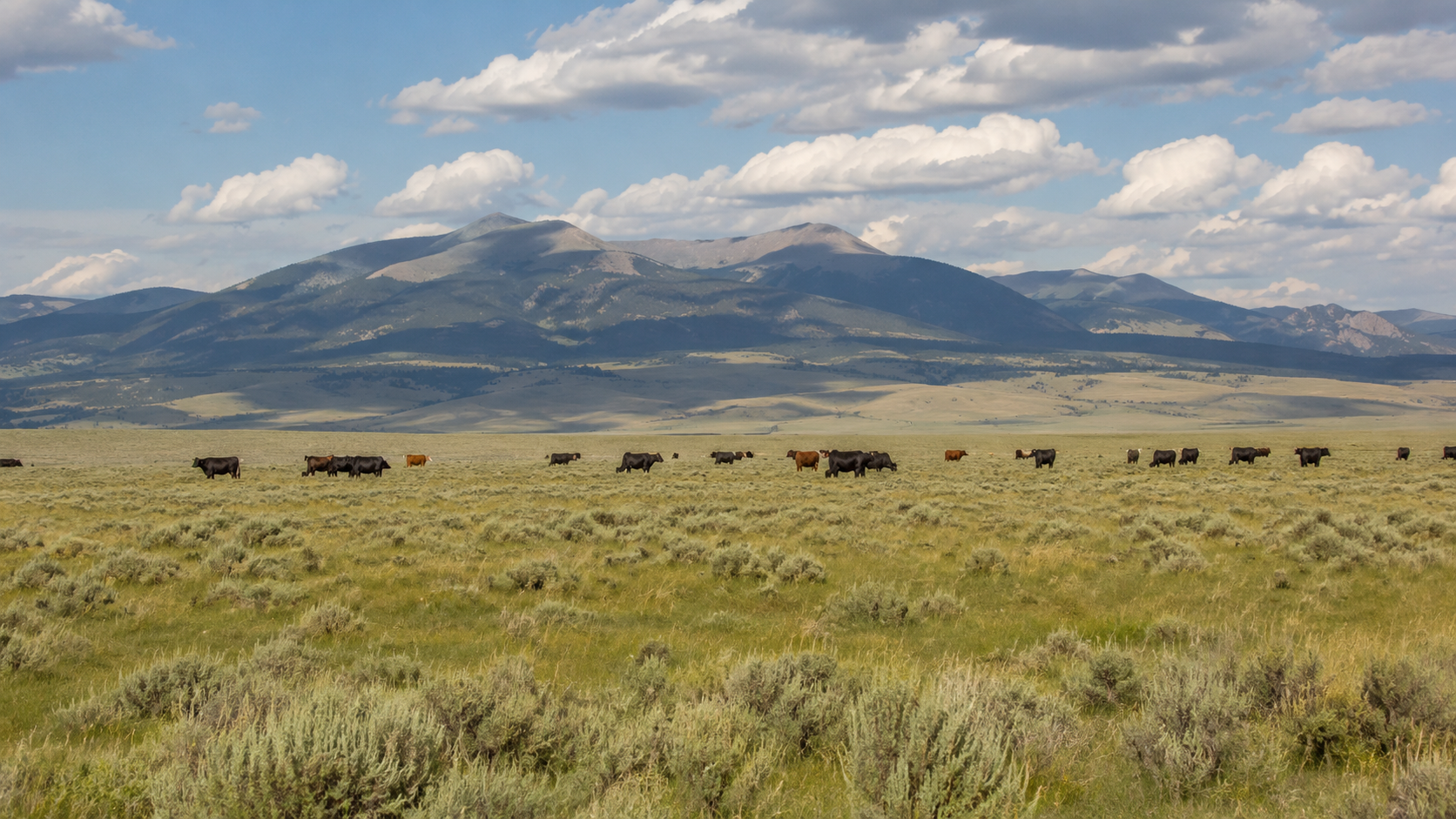
Rangelands rarely make headlines. They don’t have the spectacle of mountain peaks or the fame of ancient forests. Yet across the American West—and much of the world—these grasslands, shrublands, and savannas quietly sustain life in profound yet underappreciated ways. According to the Society for Range Management’s Ecosystem Services Report, rangelands are not empty or idle. They are working landscapes that, through active management and stewardship, provide essential ecosystem services that support our economy, environment, and daily lives.
Ranching families and pastoral communities help feed and clothe the world by converting rangeland grasses and shrubs—inedible to humans—into high-quality protein and fiber. Animal agriculture supports pastoral livelihoods that depend on healthy landscapes, creating a feedback loop for rangeland stewardship. Healthy rangelands also protect water by capturing rainfall and snowmelt, filtering it through healthy soils, reducing erosion, and sustaining streams and aquifers that wildlife, agriculture, and downstream communities rely on. At the same time, rangelands strengthen climate resilience through deep-rooted plants that store carbon within soils and help landscapes endure drought, wildfire, and other disturbances.
Rangelands are also indispensable for biodiversity. They provide habitat for species ranging from rare plants and big game to pollinators and migratory birds. At a time when habitat loss is accelerating, these vast open spaces remain critical. Beyond their ecological value, they also provide and sustain cultural benefits that are harder to measure but deeply important—offering space for recreation, hunting, communing, solitude, and a connection to the land that shapes the identity of the American West and pastoral communities worldwide.
Yet rangelands are often misunderstood as vacant, unmanaged wastelands waiting for another use. In reality, losing these landscapes means losing the biodiversity, clean water, food production, and climate benefits they quietly and generously provide every day. Threats such as invasive species, fragmentation, and poorly planned development continue to degrade rangelands, but the combination of science and stewardship offers solutions. Ranchers, pastoralists, tribes, conservationists, and land managers work every day to sustain these landscapes through active management and long-term stewardship.
The International Year of Rangelands and Pastoralists is a reminder that these lands matter globally. May’s emphasis on biodiversity and ecosystem services reminds us why. Rangelands are not empty wastelands between places that matter—they are essential infrastructure actively managed for people and nature alike, and they deserve far more recognition than they receive.