
A Cool Approach to Livestock Branding
06/18/2026
By: Shannon Waldron
Why brand cattle?
Curiosity is a core value at TomKat Ranch. We explore systems, observe outcomes, test ideas, and share what we learn along the way. In that spirit, during the winter branding season, we were excited by an opportunity to try a different approach to cattle branding: freeze branding.
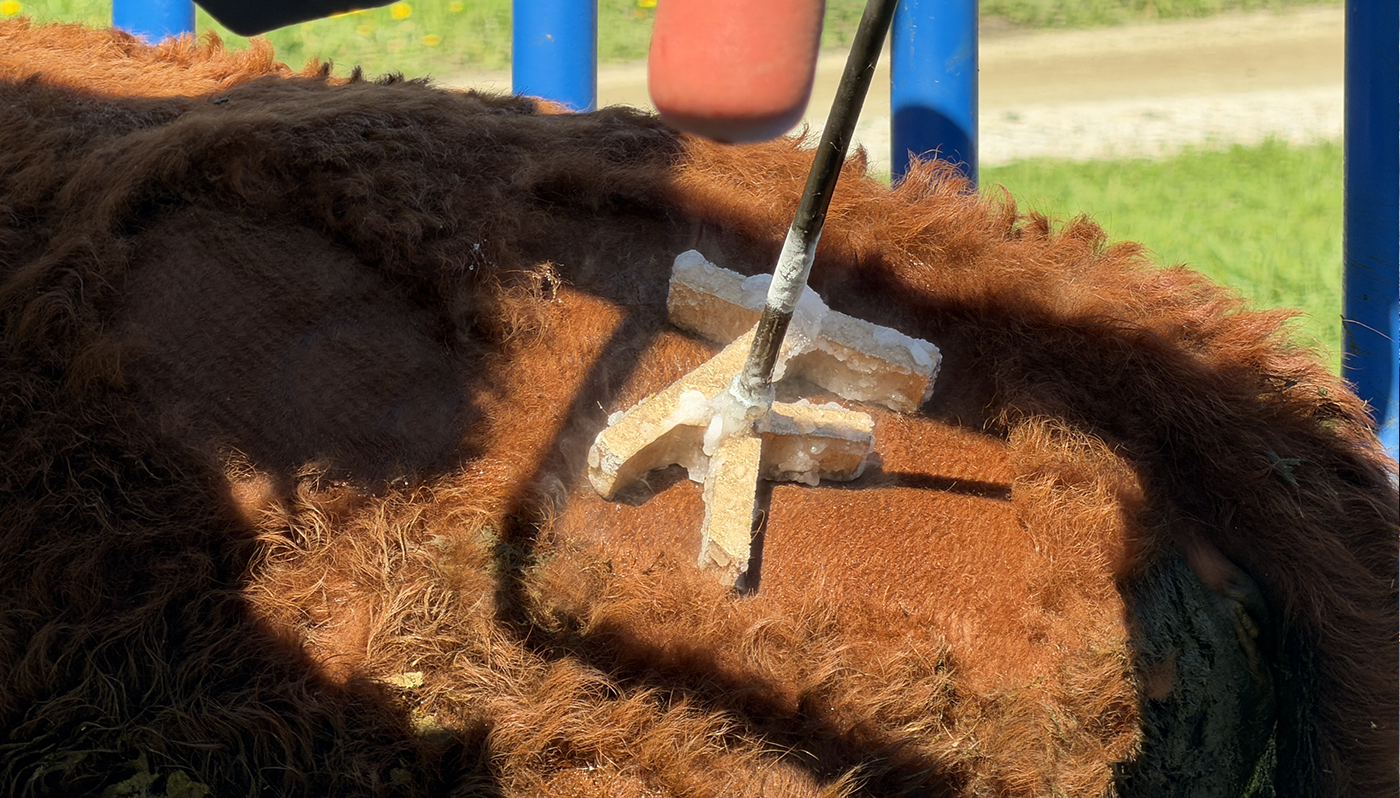
In California, cattle brands are a legally recognized form of livestock identification and must be registered through the county of origin. Traditionally, branding is done with a hot iron that scars the animal’s skin, leaving a permanent mark. By contrast, freeze branding works differently; instead of heat, extreme cold is used to affect the hair follicles. Over time, the hair grows back white, creating a visible brand without burning the animal’s skin.
The process
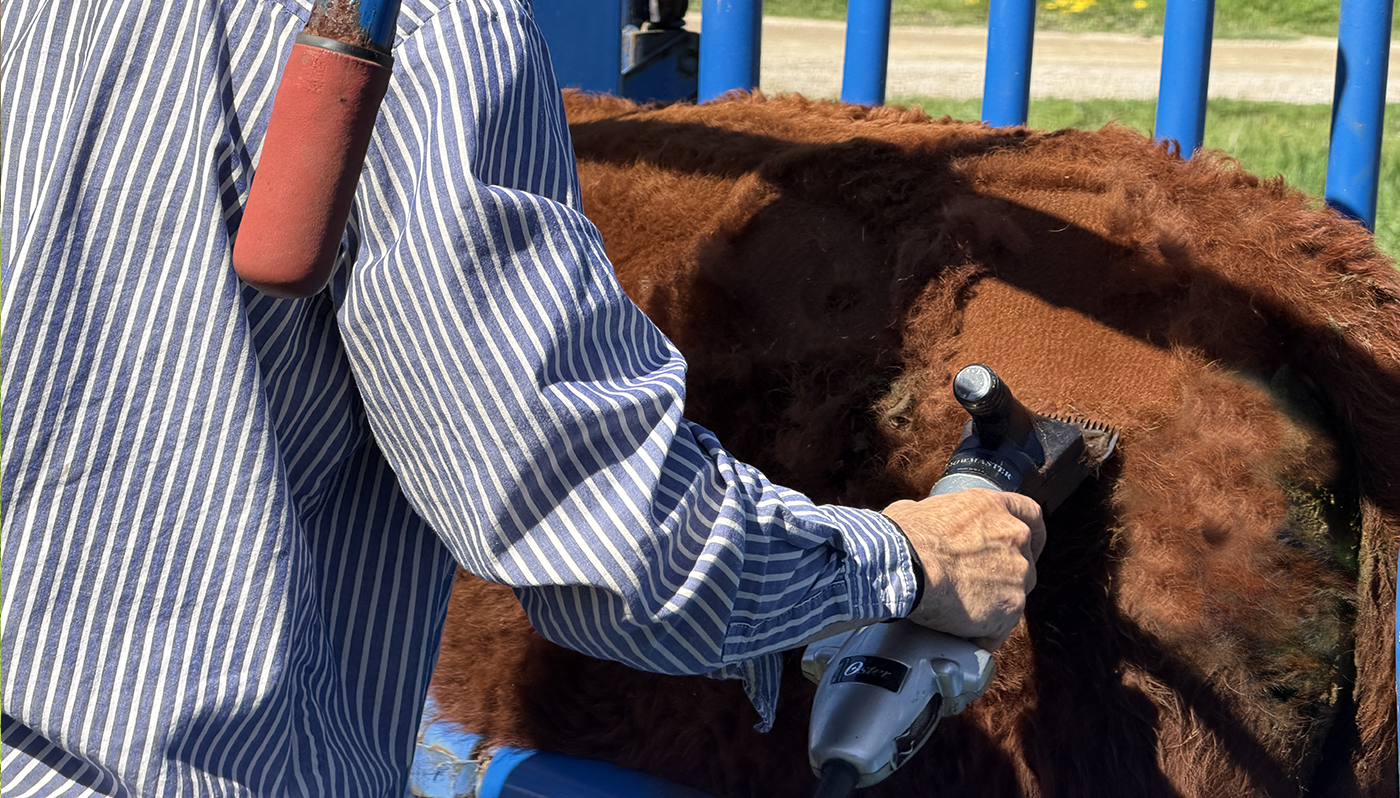
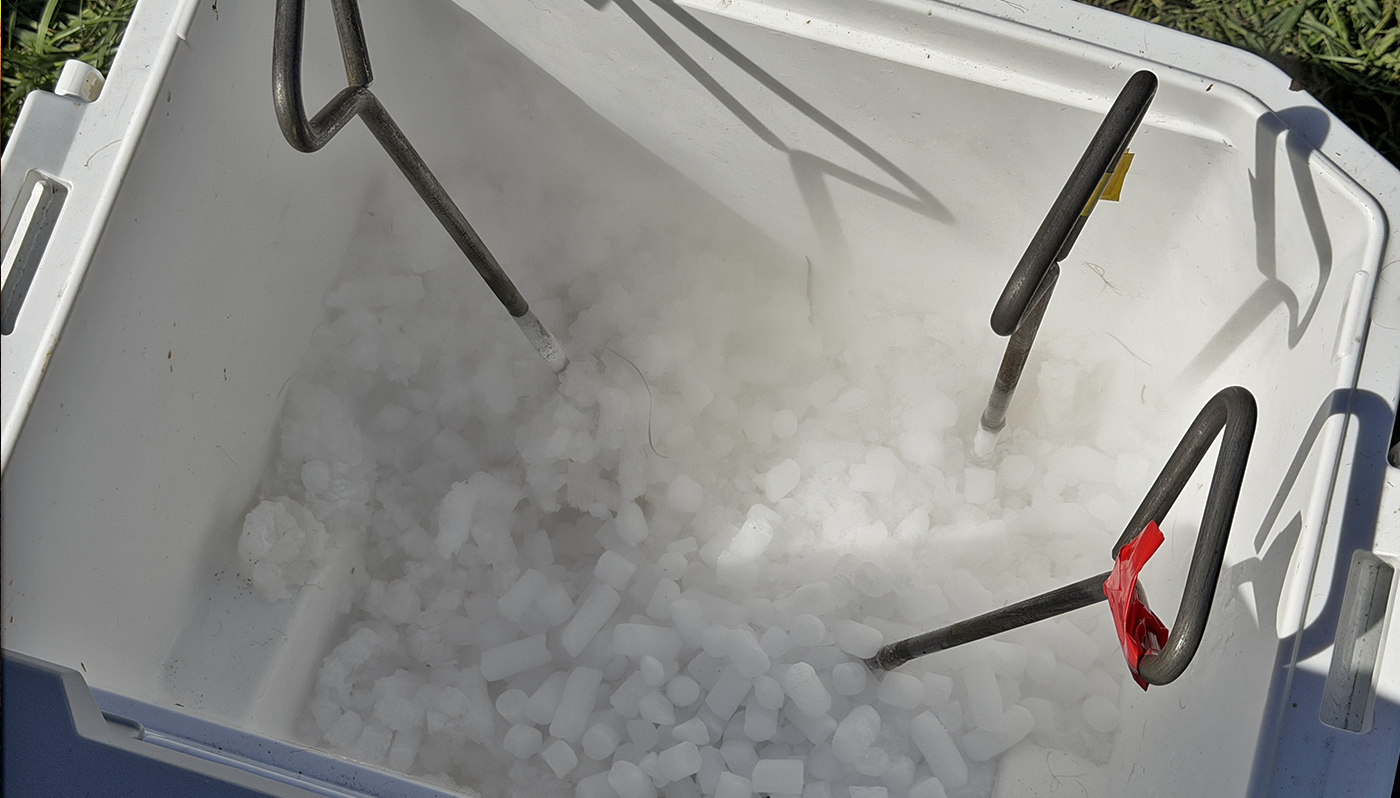
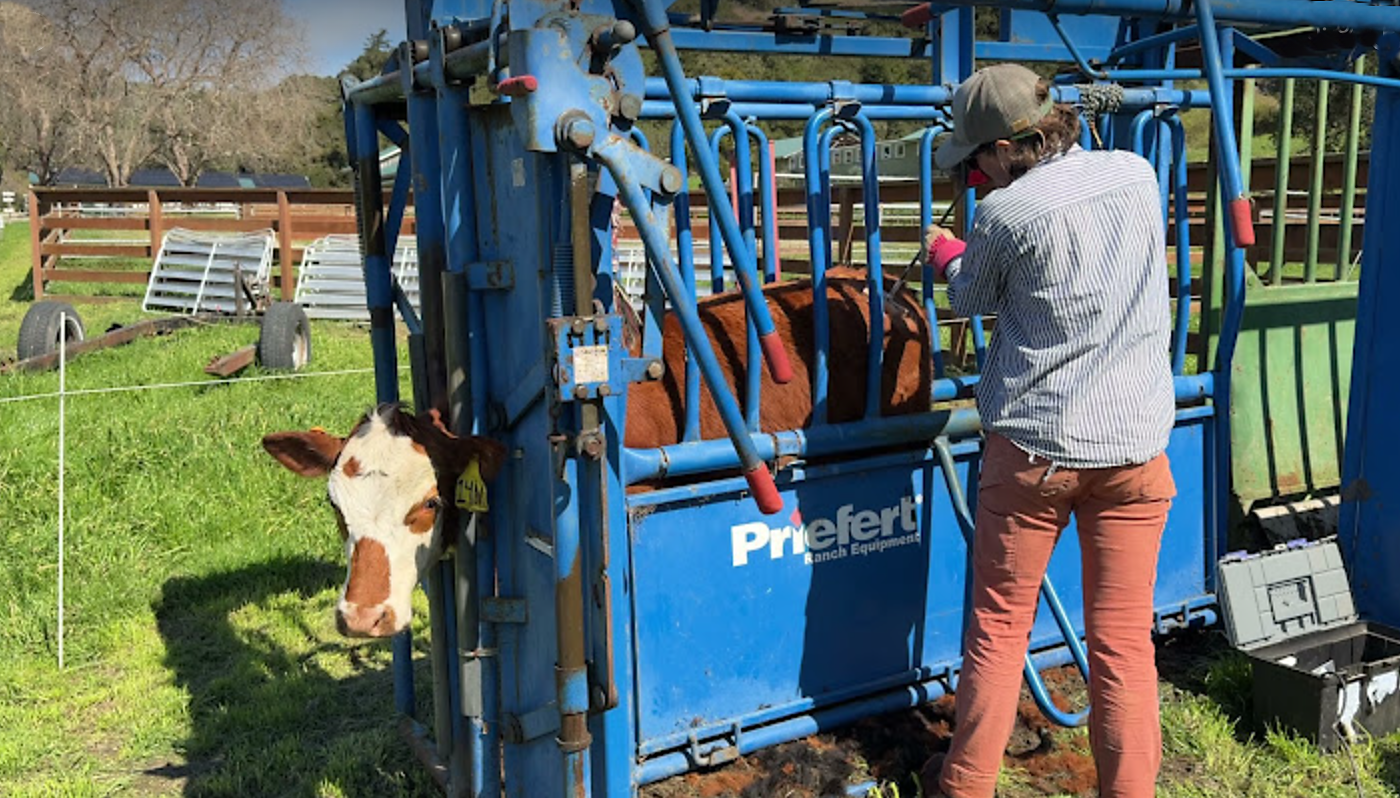
After receiving county approval, we gathered the herd and worked animals one at a time through the squeeze chute. The branding area was shaved, sprayed with alcohol, and then a brass branding iron, cooled in a dry ice and alcohol mixture, was applied for 50 to 60 seconds.
Having experienced both hot and freeze branding, I am now in my second branding season, and a few differences stood out immediately. During freeze branding, the cattle remained noticeably calm. There was no smell of burnt hair or skin, and we observed very little vocalization or agitation while the brand was being applied.
That said, there are some tradeoffs. Freeze branding requires new equipment, including brass irons and cooling materials, and the timing of the application needs to be precise for clear results. The brands also take several weeks to fully appear as the white hair grows back in. Even with that learning curve, the process felt smooth and well suited for our operation and handling style.
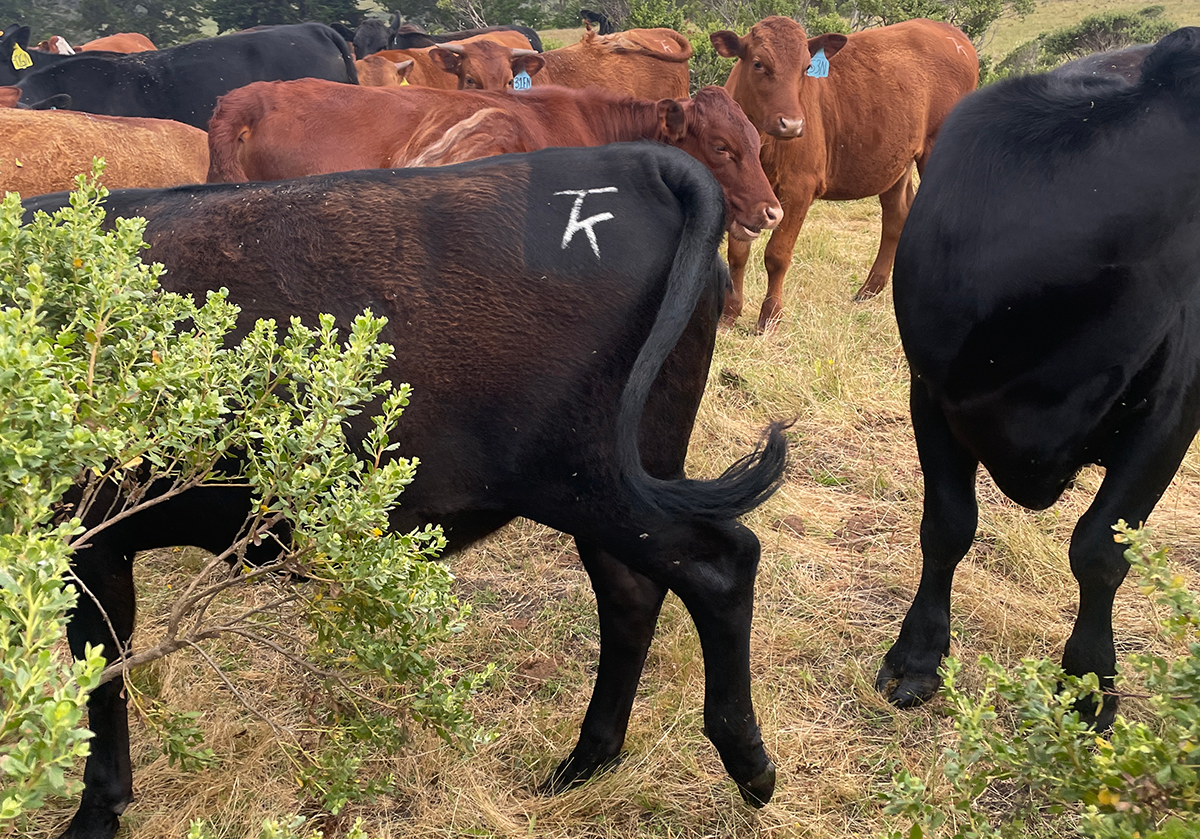
A white freeze brand on the one of the TomKat Ranch cattle.
In the end
As a ranch, we are continually asking questions about how to improve animal handling, land stewardship, and operational systems. The freeze branding process felt smoother and lower stress overall. Moving forward, we are excited to continue exploring freeze branding and the possibility of freeze-branded numbers for easier identification in place of ear tags.
Hopefully, this encourages other cattle livestock owners to stay curious and keep exploring new tools and techniques in livestock management. Sometimes innovation on a ranch simply comes from trying a different way of doing an old job.