
There’s a story about conservation in the American West that doesn’t get told enough. It happens quietly, on private land, funded out of pocket by the farmers and ranchers who live and work there every day.
Private Landowners Are Carrying More Conservation Weight Than You Might Think
Highlighting WLA’s Report on The Scale of Landowner Investments in Conservation Across the American West
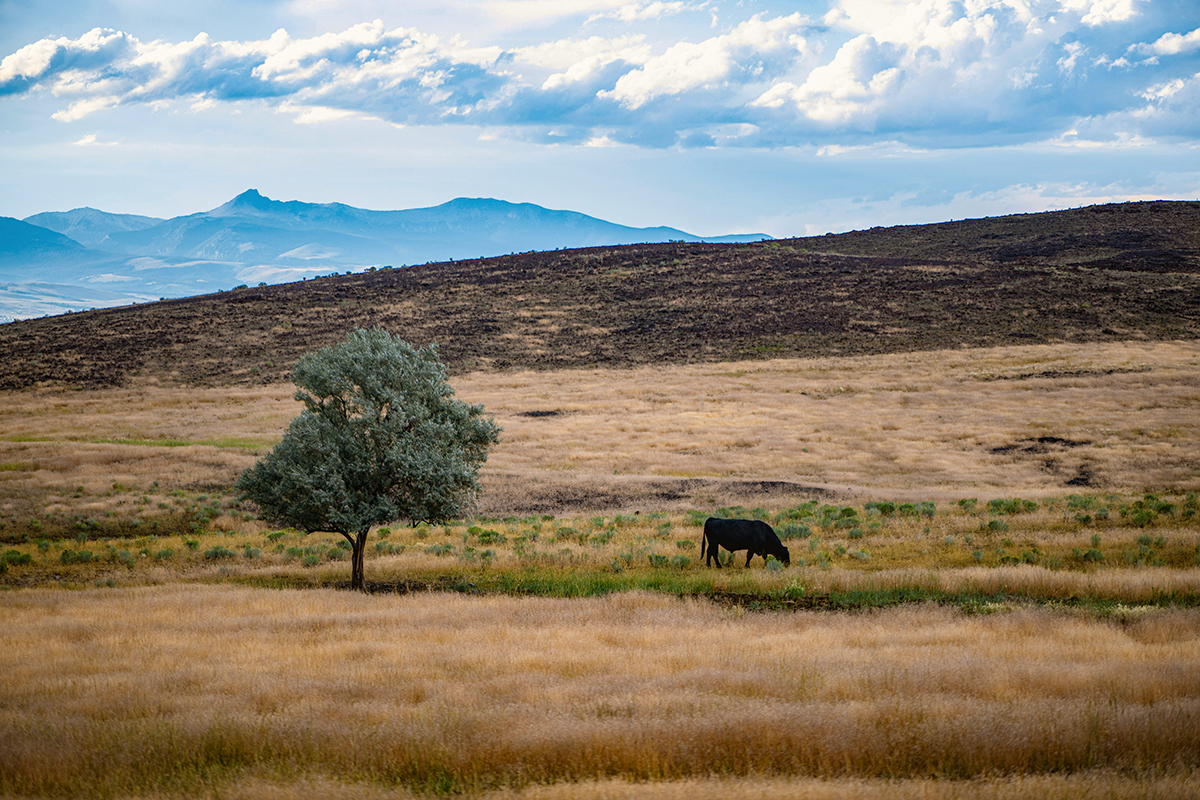
A lone cow on a Montana rangeland. Photo by Steven Cordes
05/20/2026
By: Jessica Hartzell
There’s a story about conservation in the American West that doesn’t get told enough. It happens quietly, on private land, funded out of pocket by the farmers and ranchers who live and work there every day.
Western Landowners Alliance wanted to know just how much that out of pocket investment adds up to, so they commissioned Southwick Associates to find out. In 2024 alone, Western landowners owning 500 acres or more spent more than $400 million of their own money on conservation, above and beyond normal operating costs. That’s $5.18 per acre, across range management, water resources, forests, and wildlife, plus in-kind contributions to publicly funded projects.
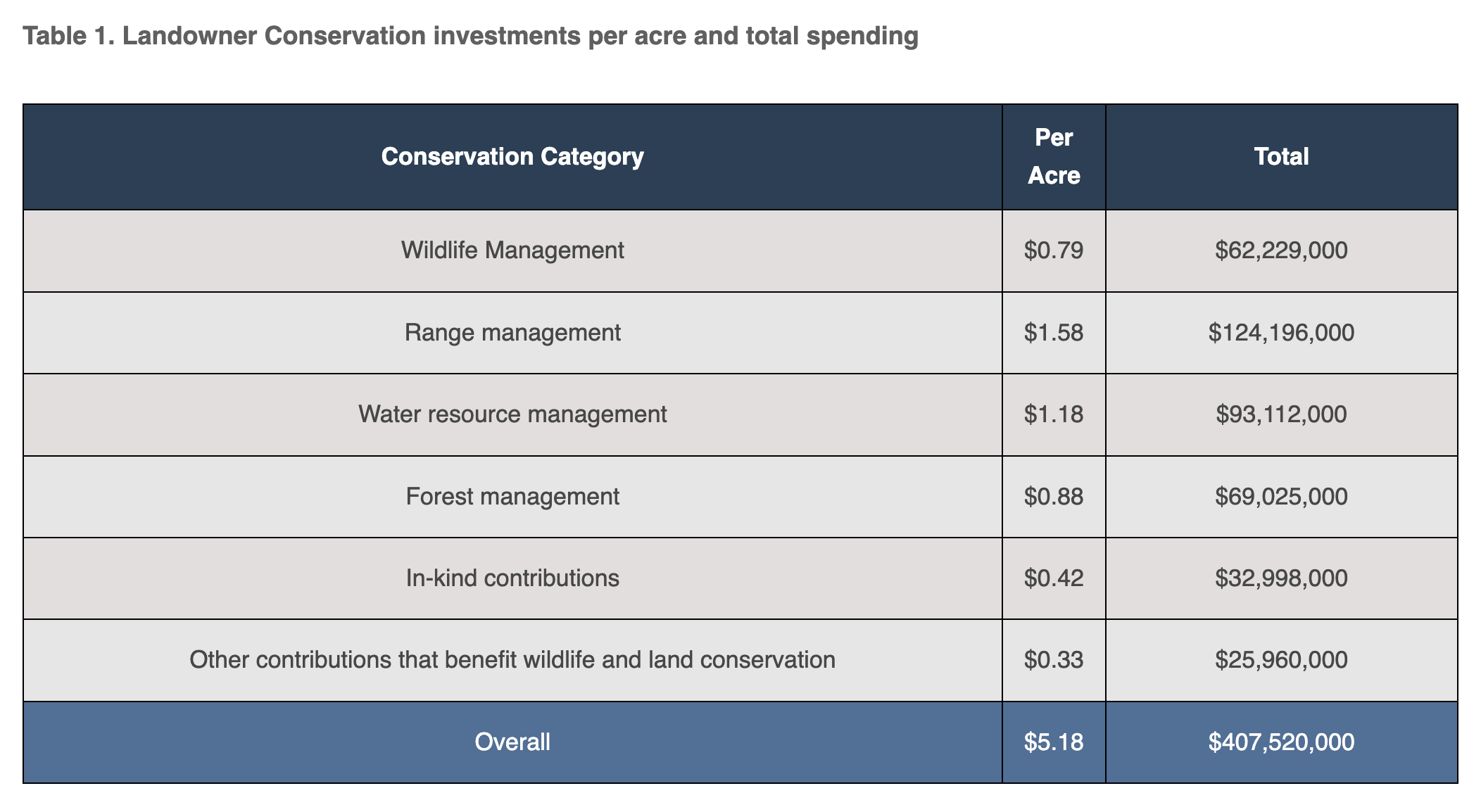
To put that in perspective, those costs exceed what flowed to those same 11 Western states through the Pittman-Robertson and Dingell-Johnson federal excise taxes combined, and it tops USDA’s EQIP program obligations in those states for the same year. These are the funding sources we usually point to when we talk about conservation finance. Private landowners are right there alongside them, and most people have no idea.
The survey also captured what it costs landowners to live with wildlife, not just invest in it. In 2024, wildlife damage to crops, forage, water infrastructure, and livestock added up to $101 million in losses, plus another $37.6 million in repairs. Only 16% of landowners received any compensation, and even then, only about a fifth of their actual costs were covered.
When asked why they don’t invest even more, landowners pointed to cost first (65%), followed by concerns about losing control of their land, regulatory misalignment, and lost income opportunities. It’s not a lack of will. The conservation ethic among Western landowners is real and well documented.
The gap between what landowners are already doing and what public policy allows is one that research is trying to close. The recommendations that emerge from this report, from streamlining conservation programs to giving landowners a seat at the policy table, are worth taking seriously.
If you work in conservation, agriculture, or land policy, I’d encourage you to read the full report or at least the brief download. It’s well researched, accessibly written, and makes a compelling case for rethinking how we talk about who funds conservation in the West.