
This month’s highlights are focused on regenerative creative materials.
Highlights from the Team by Hannah Simon
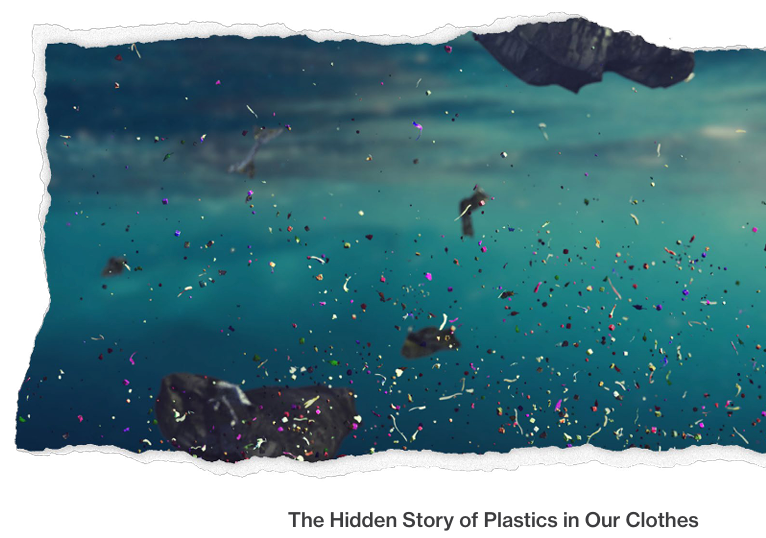
The Hidden Story of Plastics in Our Clothes. Most of our modern clothing is made from synthetic textiles, which shed microplastics into our air, water, soil, and even our bodies: “60% of clothing sold today contains plastic. It’s a huge issue managing to fly under the radar.” Fibershed has published a powerful resource explaining the reach and impact of these microplastics and offering pathways toward more sustainable solutions.
Creators & Organizations Leading the Way

Hedestrik — Denmark. Hedestrik (Honor Knit) is a collective of young women specializing in Dogme knitting and wet felting using locally sourced raw wool:. “When we practice Dogme knitting, we utilize the resources that are available, close to where we live and reside.” Explore their manifesto and work (use Google Translate for English).

JG Switzer (Fibershed Member) — Sebastopol, CA. Wool is not just a fiber but also a canvas for beauty, climate action, and community. Northern California artist and designer Jessica Switzer transforms wool from her own flock of sheep into colorful textiles and large-scale felted wool paintings. Her practice blends regenerative agriculture with contemporary art and design. Browse her wool wall art and textiles.

Fibershed — Point Reyes, CA & Global. Fibershed is building local, traceable fiber-to-textile systems that support regenerative agriculture and healthy rural and urban communities. Their Producer Directory maps ranchers, designers, and mills across Northern California and beyond. We recommend their article Soft, Renewable, and Climate Beneficial: American Wool’s Regenerative Capabilities. They write: “The comeback of American wool isn’t just about fiber. It’s about values: restoration over extraction, relationships over transactions, and stewardship over scale.”
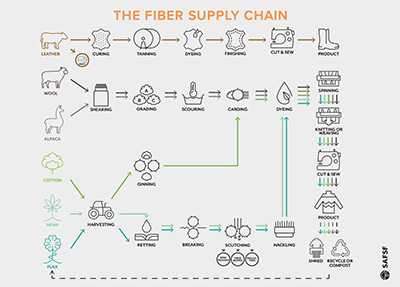
Sustainable Agriculture and Food Systems Funders (SAFSF) In partnership with the Fibers Fund, SAFSF advances policy, funding, and infrastructure to revitalize the U.S. textile and fiber industry. Their case studies and research on reshoring production highlight pathways for regenerative and resilient textile systems: “Sustainable fibers — produced by farming operations that use sustainable cropping or grazing systems, or other systems and practices beneficial to natural ecosystems — play a major role in the U.S. agricultural economy. Yet, these crops and the small to midsize farmers and ranchers who produce them, are often overlooked in current U.S. agricultural policy.” Choosing regenerative wool over synthetics is a crucial and necessary way to reduce microplastics; support biodiversity, our economy, and communities; and bring meaning back into what we wear.