
Last fall in this newsletter we wrote about The Gardner’s Best Friend, sharing methods of vermiculture and the benefits that vermicast has on soil and plant health.
Vermicast: Moving from Worm Bin to Working Product
08/19/2025
By Susan Hadacek
Last fall in this newsletter we wrote about The Gardner’s Best Friend, sharing methods of vermiculture and the benefits that vermicast has on soil and plant health.
Once you’ve built your worm farm and have the vermicast, what do you do with it?
Vermicast has been so impactful in our gardens it is the only amendment we use other than finished compost to amend our vegetable garden, perennial flower beds, orchard, and landscaped containers, trees, and shrubs.
Vermicast is versatile and can be used directly or by making a vermicast tea. It is also forgiving in its application; a small amount goes a long way and too much has no ill effects on the plants or soil. Regenerative practices are focused on renewing and maintaining soil health because, in the inherently extractive process of farming and gardening we are asking a lot of our soil during and after each crop rotation. Amendments offer the key to replenishing and sustaining health in the soil and, therefore, in the plants.
Harvesting casting depends on the method in which you’ve created the vermicasts. In the table-method system, you can use bins or boxes to sort the worms from the casting (which is needed to recover the worms). In a Continuous Flow Through (CFT) system, food is placed on top of the X where the worms will remain, and the castings are sifted through at the bottom. In a Windrow or Wedge system, the food is provided horizontally across the X as the feedstock builds and moves outward. The worms follow the food and the harvesting casting can begin at the leading edge of the X.
At the beginning of spring a few shovels of casting in a garden bed along with finished compost is the perfect start for both planting and each crop rotation throughout the season.
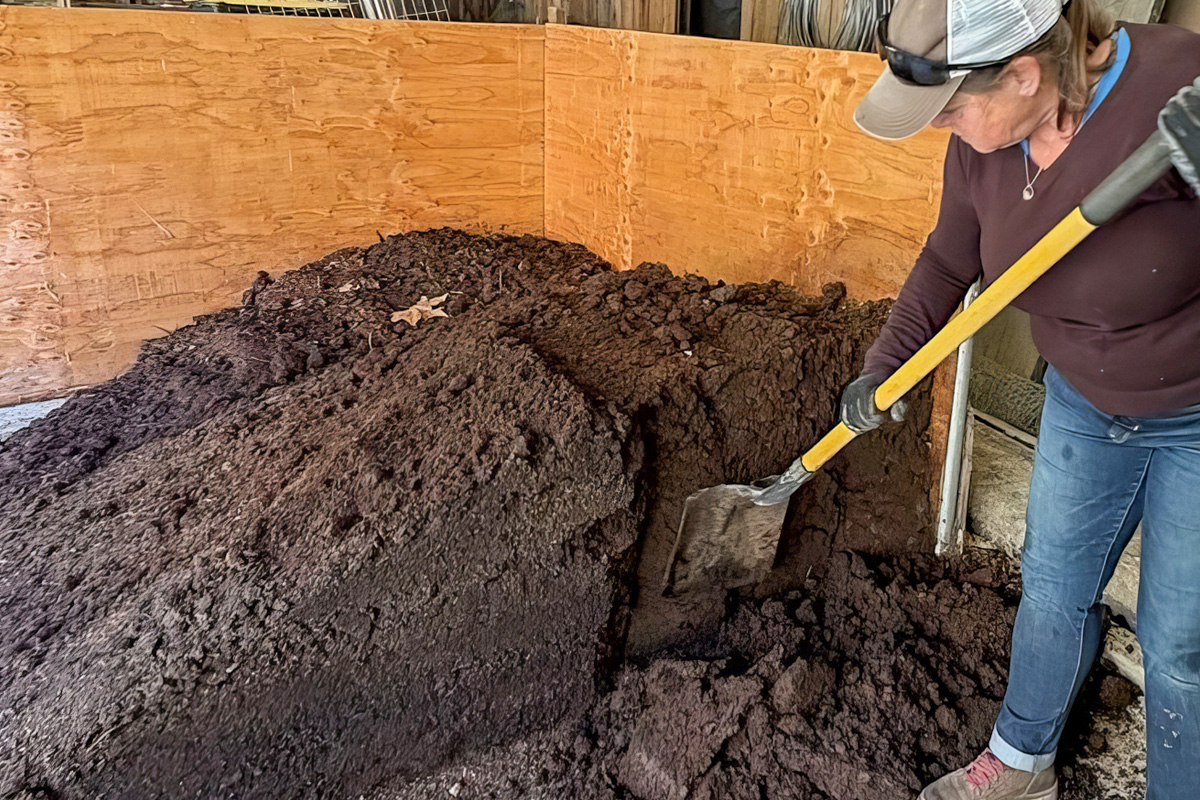
Here we see the wedge wall is removed and harvesting begins. Worms have migrated to the other side of the wedge, where the food is now being provided. This represents the Wedge system.
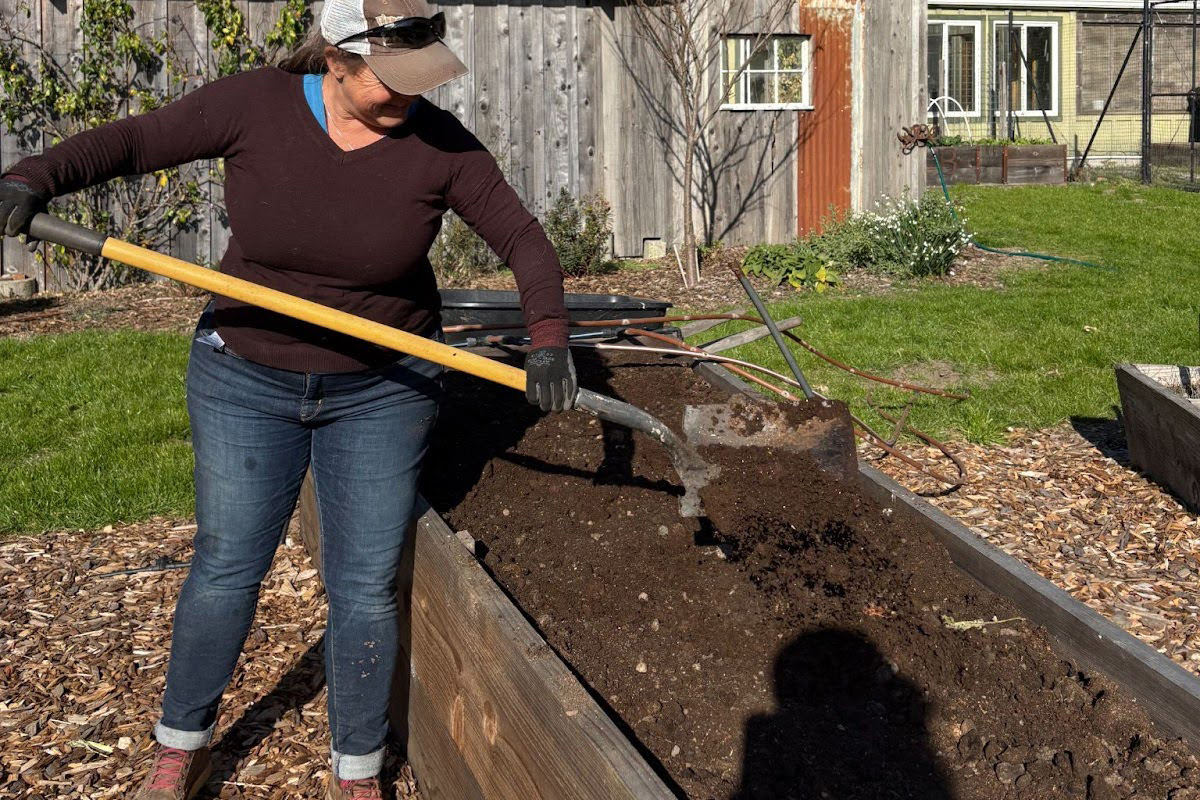
Here we see a few shovels full of Vermicast in the raised vegetable bed
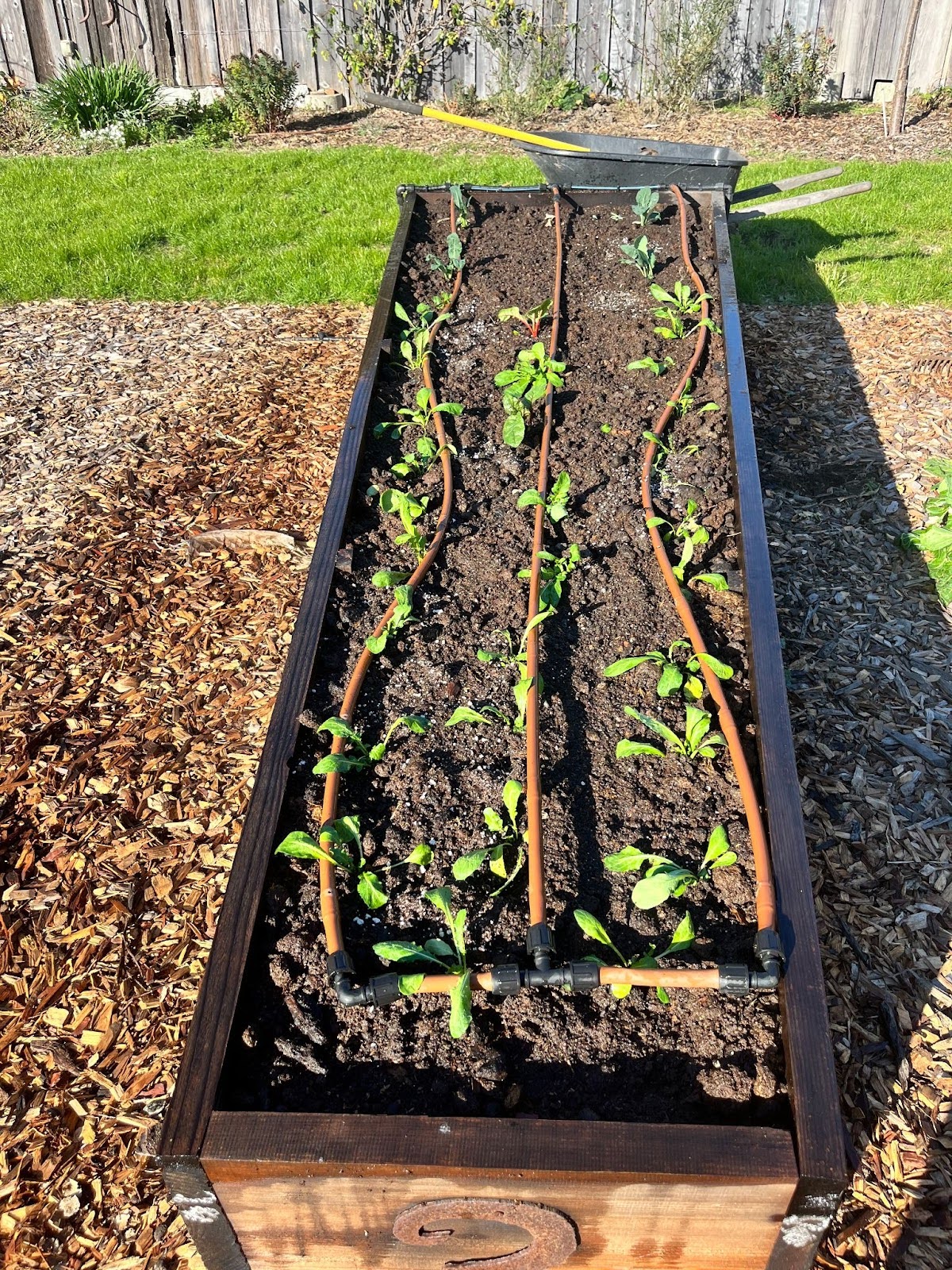
Just after planting using Vermicast

Ready for harvest
Vermicast can also be used to make vermicast tea, which can be applied directly to growing plants and soil. This is another effective method to boost plant resilience against pests and encourage stronger roots.
To make vermicast tea, you can build a homemade aeration system with a 5 gallon bucket and a fish tank pump with a stone filter. Place the vermicast in a fine mesh bag, fill the bucket with filtered/non-chlorinated water and add molasses (or a similar catalyst), which provides the necessary food for the microbes that are released from the casting. Brew for at least 24 hrs. Oxygenate until application or within 24 hours of removal from aeration, and keep the liquid open to the air.
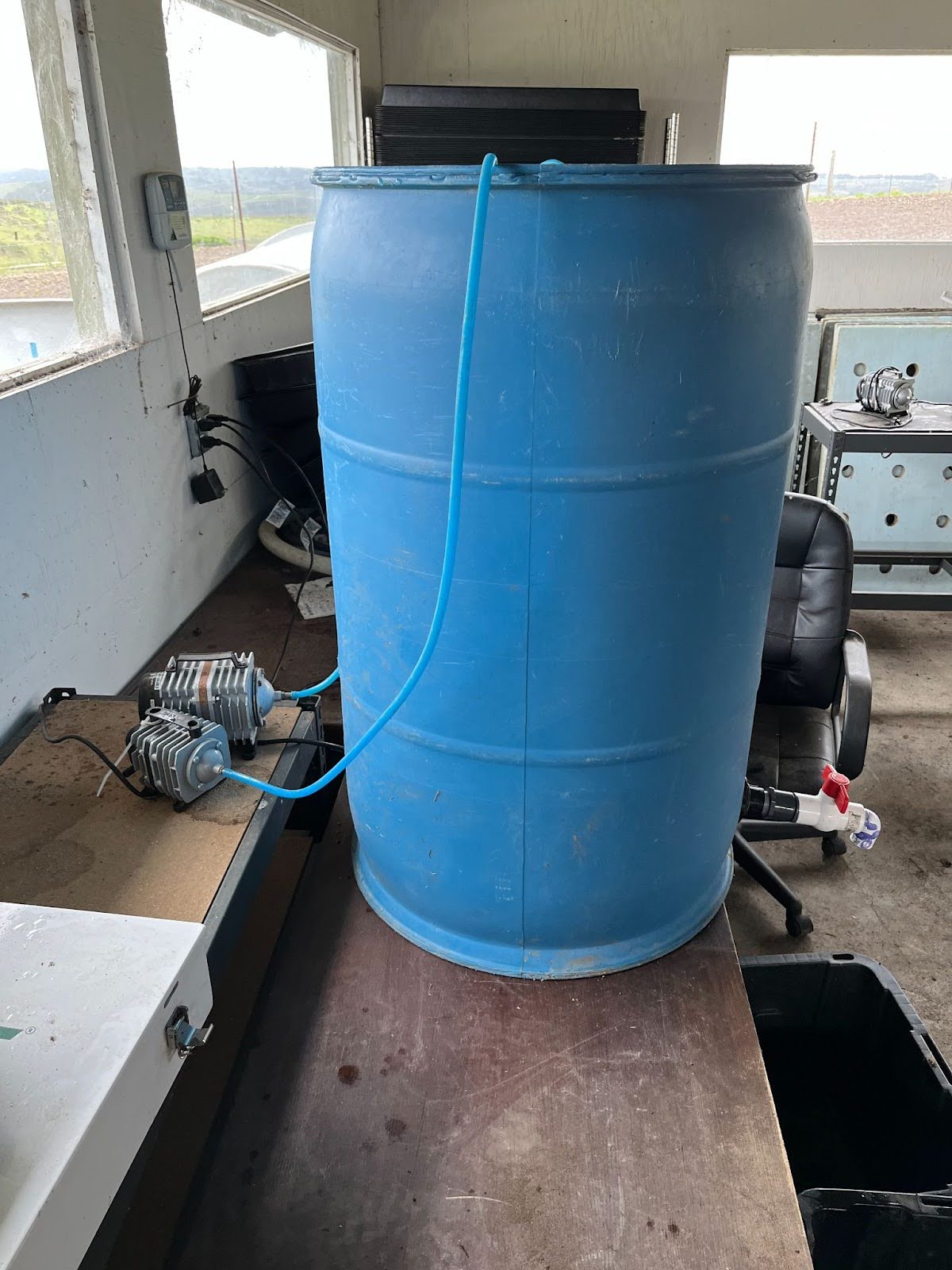
At TKREF, we have scaled up to a 55 gallon drum with a larger pump for aeration. We use a hand pump sprayer to apply directly to plants in the gardens, and we use a watering can in the veggie garden.

To improve larger areas of grazing across the ranch, we have used a commercial product: Growing Solutions Compost Tea Systems produces a consistent, highly microbial tea at scale.
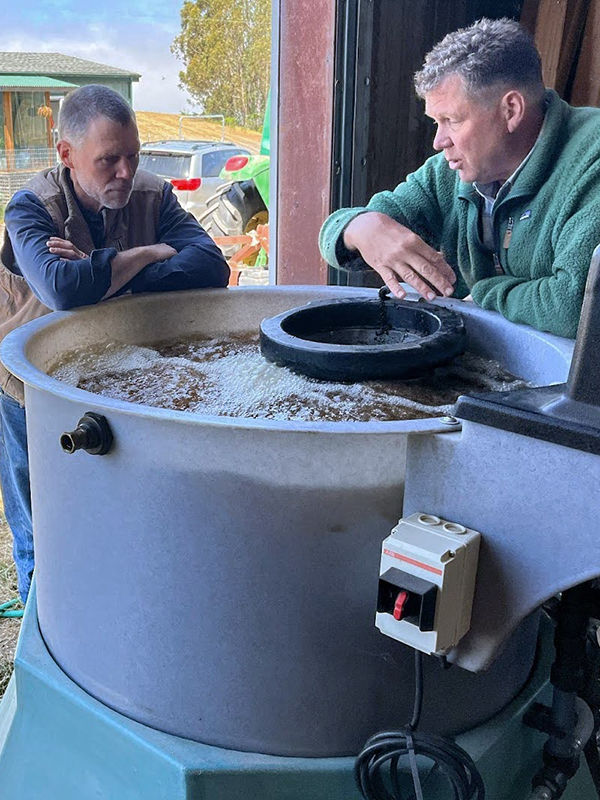

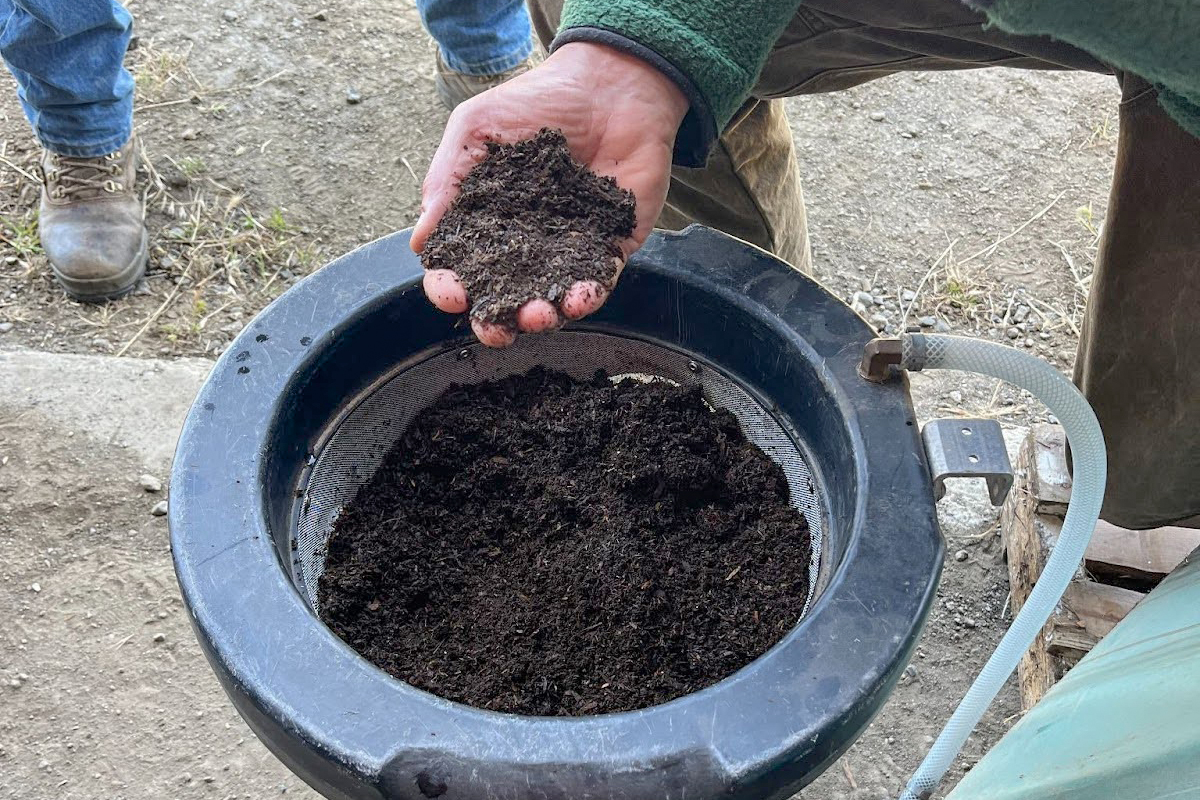
Michael Alms of Growing Solutions chats with TKREF’s Mark Biaggi over a vat of brewing compost tea and takes a handful of the final product.
Cited Resources:
- Sherman, Rhonda. The Worm Farmer’s Handbook. Chelsea Green Publishing, 2018.
- “Compost Tea Systems.” Growing Solutions, https://growingsolutions.com/compost-tea-systems/.