
For decades, we’ve approached conservation and agriculture as separate domains with conflicting goals—one preserving nature, the other producing food.
Where Restoration Meets Management – What Conservation Landscapes Can Learn and Implement from Regenerative Agriculture
07/21/2025
This is the third of a three part series about restoring land through regenerative land management.
By: Mark Biaggi, Hayley Strohm, and Wendy Millet
Article 3: What Conservation Landscapes Can Learn and Implement from Regenerative Agriculture
Read Article 1. Read Article 2
For decades, we’ve approached conservation and agriculture as separate domains with conflicting goals—one preserving nature, the other producing food. But a promising shift is emerging as conservation managers recognize valuable lessons from regenerative agriculture that could transform how we restore and maintain protected landscapes.
Traditional conservation models often focus on isolation and protection, creating ecological islands separate from human activity. Meanwhile, regenerative farmers have been developing sophisticated techniques that not only produce food but also actively rebuild ecosystem function. These approaches share a fundamental understanding: ecosystems evolved with disturbance as a vital component.
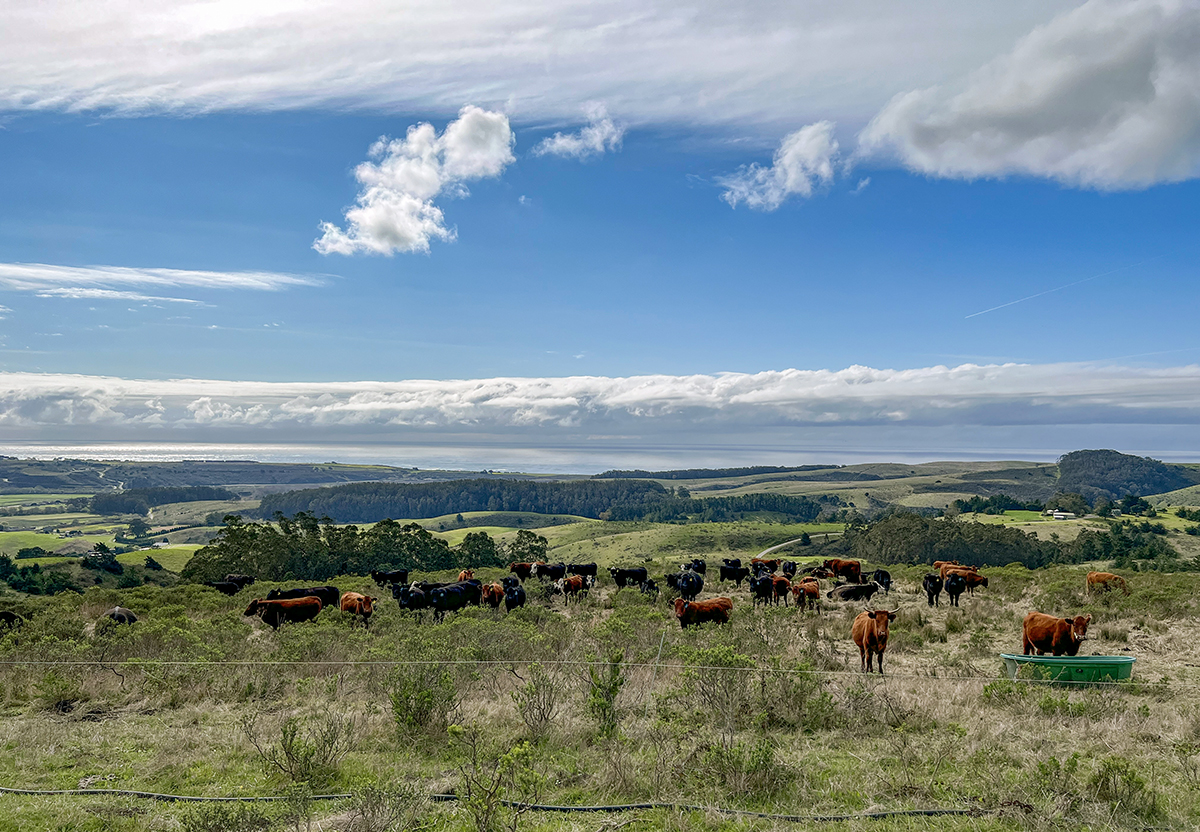
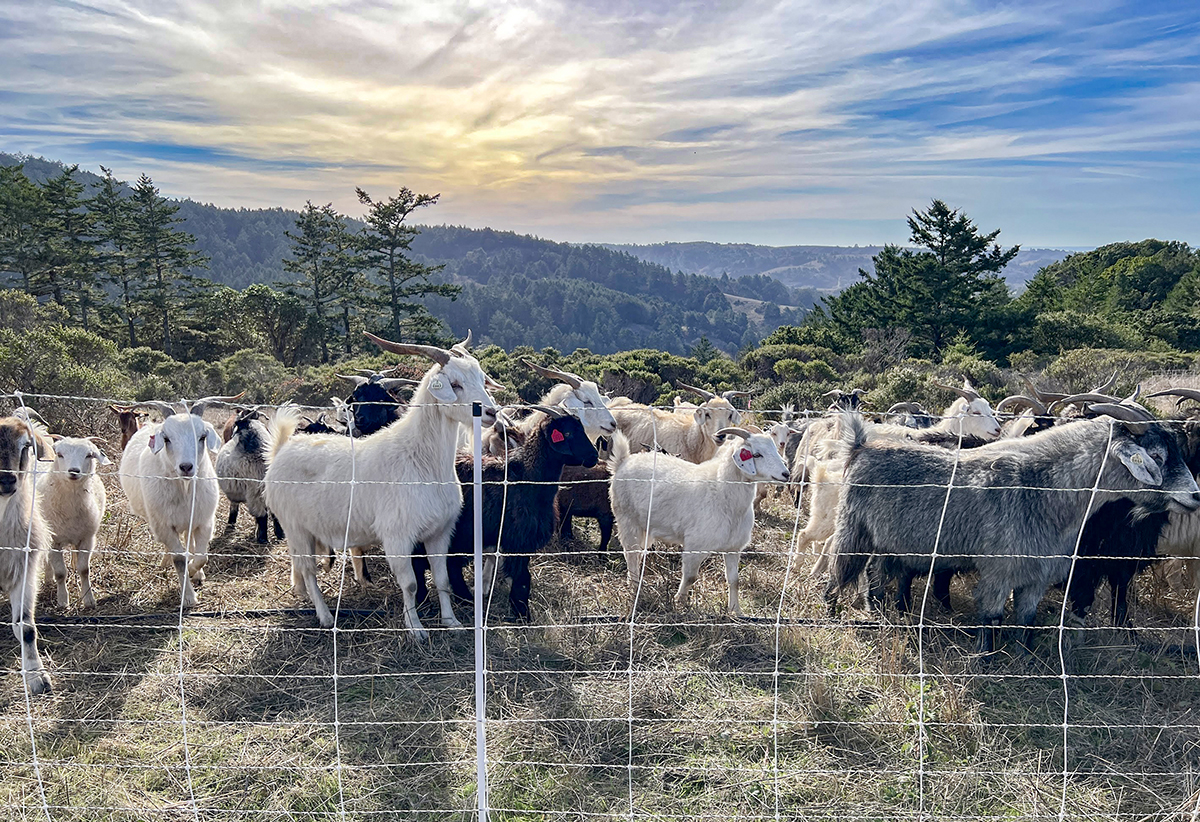
By implementing programs of disturbance that mimic natural processes (often referred to as a “strategic disturbance regime” in the industry), conservation managers can strategically accelerate ecological recovery in degraded landscapes. Managed grazing, for instance, can replicate the impact of wild herbivores that historically shaped grasslands. Similarly, prescribed fire can restore fire-adapted ecosystems that have suffered from decades of suppression.
What makes this integration particularly powerful is its potential to dissolve the false dichotomy between preservation and production. In many contexts, carefully designed interventions can regenerate ecosystem health while yielding sustainable harvests—whether that’s livestock production, timber, or other resources. The key insight is that appropriate human intervention, properly designed and implemented, can be regenerative rather than extractive and thus can support the very ethos of conservation projects.
Conservation landscapes can benefit from several key principles of regenerative agriculture:
- Adaptive management: Rather than rigid protocols, successful regenerative practitioners use close observation and rapid feedback loops to continuously refine their approaches.
- Holistic planning: Viewing landscapes as integrated systems rather than collections of separate components allows for more effective interventions.
- Strategic disturbance: Intentional disruption through tools like grazing, mowing, or burning can stimulate ecological succession and prevent stagnation in conservation areas.
- Soil biology focus: Conservation projects that prioritize soil health often see cascading benefits throughout the ecosystem.
- Economic integration: Finding sustainable economic outputs from conservation lands can help ensure their long-term viability.
When conservation managers apply these principles, remarkable transformations can occur. Degraded public lands have been restored through carefully managed grazing programs. Abandoned farmlands have been transformed into biodiversity hotspots that also produce sustainable yields. Invasive species have been controlled through strategic disturbance regimes rather than endless chemical applications.
This agricultural-conservation bridge represents more than a technical approach; it embodies a philosophical evolution in land stewardship. Rather than viewing human interaction with landscapes as inherently destructive, it recognizes our potential role as regenerative participants in ecological systems.
As we look across the three articles of this series—from global success stories to practical implementation to conservation-agriculture integration—a powerful narrative emerges. The principles that restore agricultural landscapes can also heal our conservation lands. The techniques that build soil on farms can rebuild ecosystems in preserves. The holistic thinking that transforms ranches can revitalize parks and refuges. By bringing together these once-separate domains, we forge a unified approach to land stewardship that could help address our planet’s most pressing ecological challenges.
In the end, perhaps the most profound lesson is that the line between conservation and agriculture was always artificial. In a truly regenerative future, we may no longer distinguish between lands that nourish people and lands that nurture nature—because our best lands will do both.